Sauna & cold
water safety.
Essential safety guidance for everyone enjoying the heat with cold water. Giving you the confidence to enter the water safely and understand the risks before you step in.
What happens to your body when you enter cold water?
Sauna with cold water dips are exhilarating, but cold water carries real risks. Understanding how your body reacts when you enter cold water can help keep the experience safe, enjoyable, and stress-free. This is especially important if you move repeatedly between hot and cold environments, or if you’re not familiar with open water conditions.
Understanding the key risks
-
Cold water makes your heart race and diverts blood away from the skin, which raises your blood pressure. When you step back into warmth, your blood vessels open up again causing your blood pressure to drop. This can leave you feeling light-headed or even faint, especially if your body’s fluid levels are low.
-
Cold water can trigger fast, uncontrolled breathing, which can feel overwhelming at first. Your body instinctively gasps and your breathing rate can spike, making it harder to stay calm and in control.
This is why it’s important to pace yourself, keep your face out of the water until your breathing feels steady, and focus on slow breaths as your body adjusts. Avoid submerging your face while your breathing is unsettled, and avoid holding your breath for long periods underwater.
-
When you enter cold water, your body reacts to the increased blood pressure by reducing blood fluid and producing more urine. That’s why you might feel the urge to pee in the cold, and why your fluid levels drop.
Most people know that saunas can dehydrate, but the impact of cold water on your body’s fluids is often overlooked.
-
When you step back into a hot sauna, your blood flow opens up again. If you’ve lost some fluid from your cold water dip, you might feel light-headed or dizzy in the heat. These effects can add up if you move repeatedly between hot and cold, so it’s worth pacing yourself and keeping hydrated.
To stay steady, acclimatise gradually, move your legs gently, and stand up in stages when leaving the sauna. If you do feel faint, sit or lie down and don’t hesitate to call for help.
-
Immersing your head in cold water while holding your breath (or just gasping from the shock of the cold) can induce cardiac arrhythmia and death. Professor Mike Tipton explains this in his paper, ‘Autonomic conflict’: a different way to die during cold water immersion?
-
If you’re sauna bathing or operating a sauna and someone seems confused and can’t remember what they were doing, it’s possible that they’ve triggered transient global amnesia. Although rare, affecting mostly women 50 and over, cold water immersion can trigger memory loss of up to 24 hours.
Cold water shock:
What you need to know.
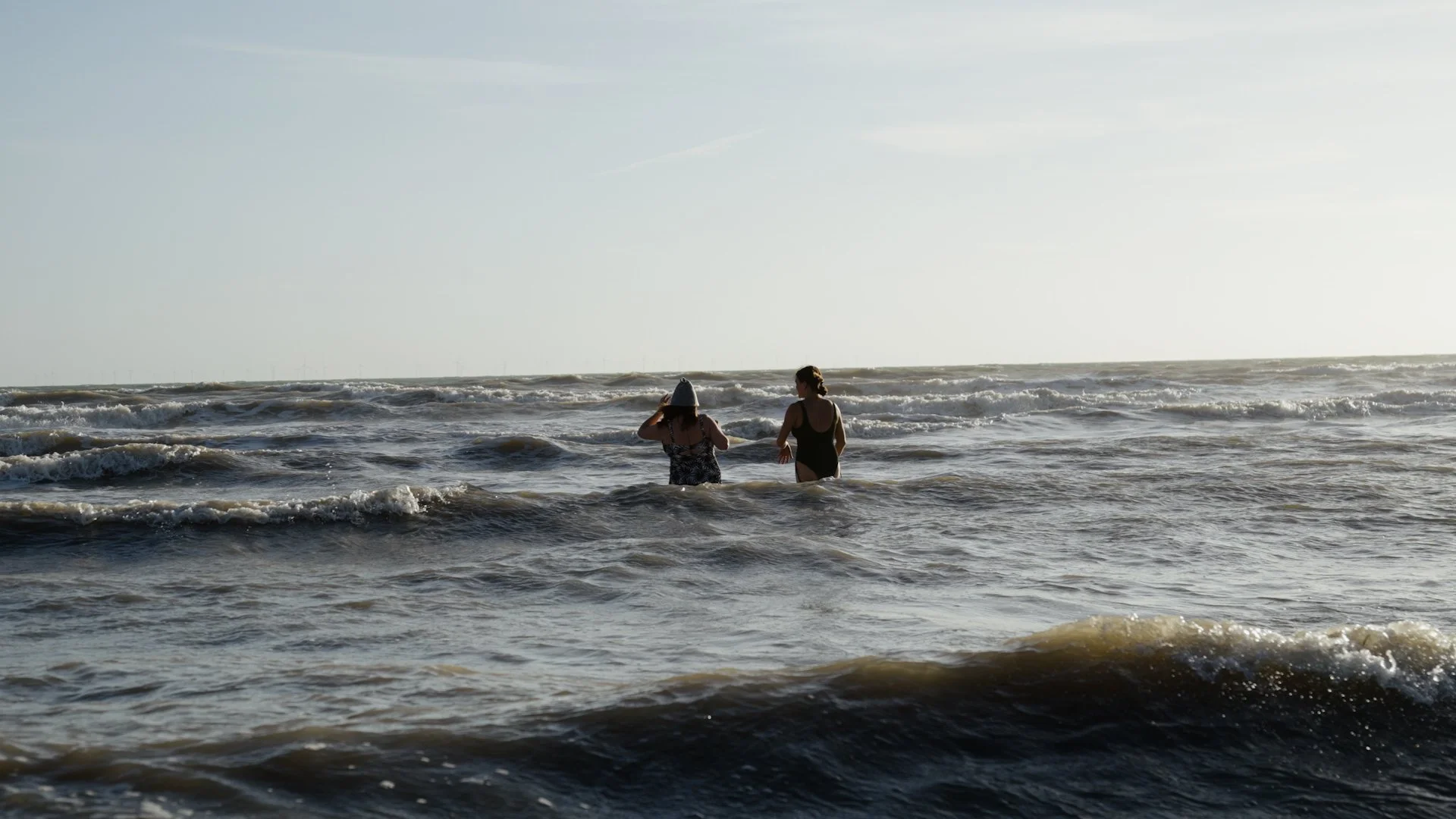
Cold water can feel invigorating, but it can also shock your body. When you hit water that’s 15°C or below, your blood vessels tighten, your heart rate rises, and your blood pressure goes up. Cold water shock can happen to anyone, whether you’re experienced or a first-timer, and even young, healthy people can be at risk of heart stress.
The sudden chill triggers an involuntary gasp and can make your breathing go out of control. This can cause panic and increases the chance of inhaling water. It only takes around half a pint of seawater for drowning to begin in a grown adult.

How to reduce the risk:
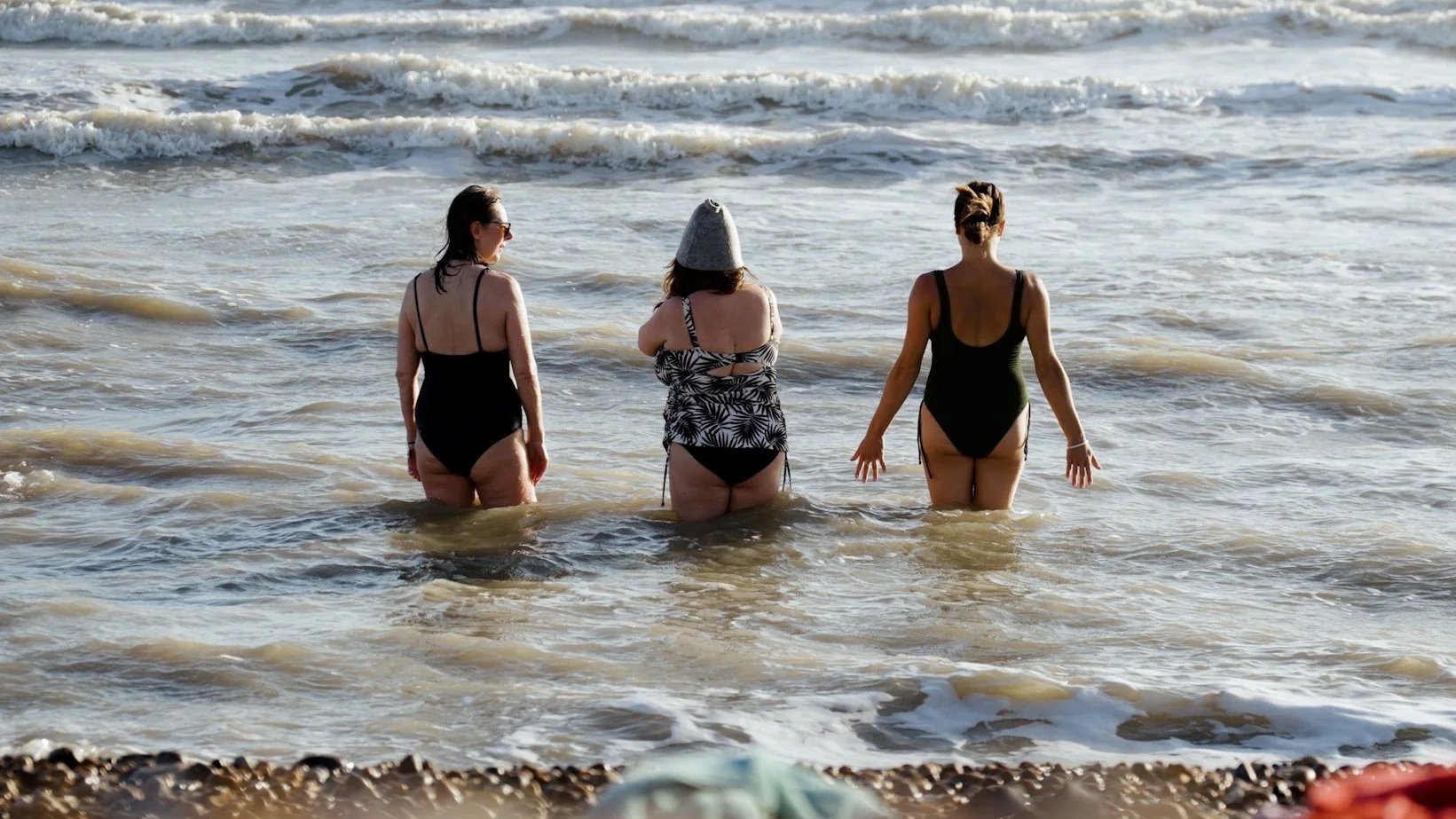
Enter the water gradually, giving your body time to adjust especially after heat.
Keep your face out of the water until your breathing returns to a normal pace, and focus on slow, steady breaths and avoid holding your breath.
Stay within your depth and go with someone.
If you get into difficulty, try to stay calm, control your breathing, and follow RNLI’s Float to Live guidance.
By taking these precautions, you can enjoy the thrill of cold water dips safely, keeping the shock under control.
Want to know more about cold water shock? Check out the RNLI’s guide here.
Practical advice & tips for staying safe.
-

Aclimatise slowly
Don’t jump straight in from the sauna. Let your breathing settle first, keeping your face out of the water until it feels steady and controlled. Ease into the water, listen to your body and give your body time to adjust. Every dip is different, so pace yourself and pay attention to how you feel.
-

Always go with someone
Never go alone. Always take a friend and let someone know where you’re entering the water. Make sure you know where the nearest phone or mobile signal is, and if you or someone else gets into difficulty shout for help and call 999 or 112.
-

Check the conditions
Open water can be unpredictable. Before you dip, check tides, currents, waves, weather, and safe entry and exit points. Always stay within your depth and avoid unnecessary risks.
-
Understand the beach & rip currents
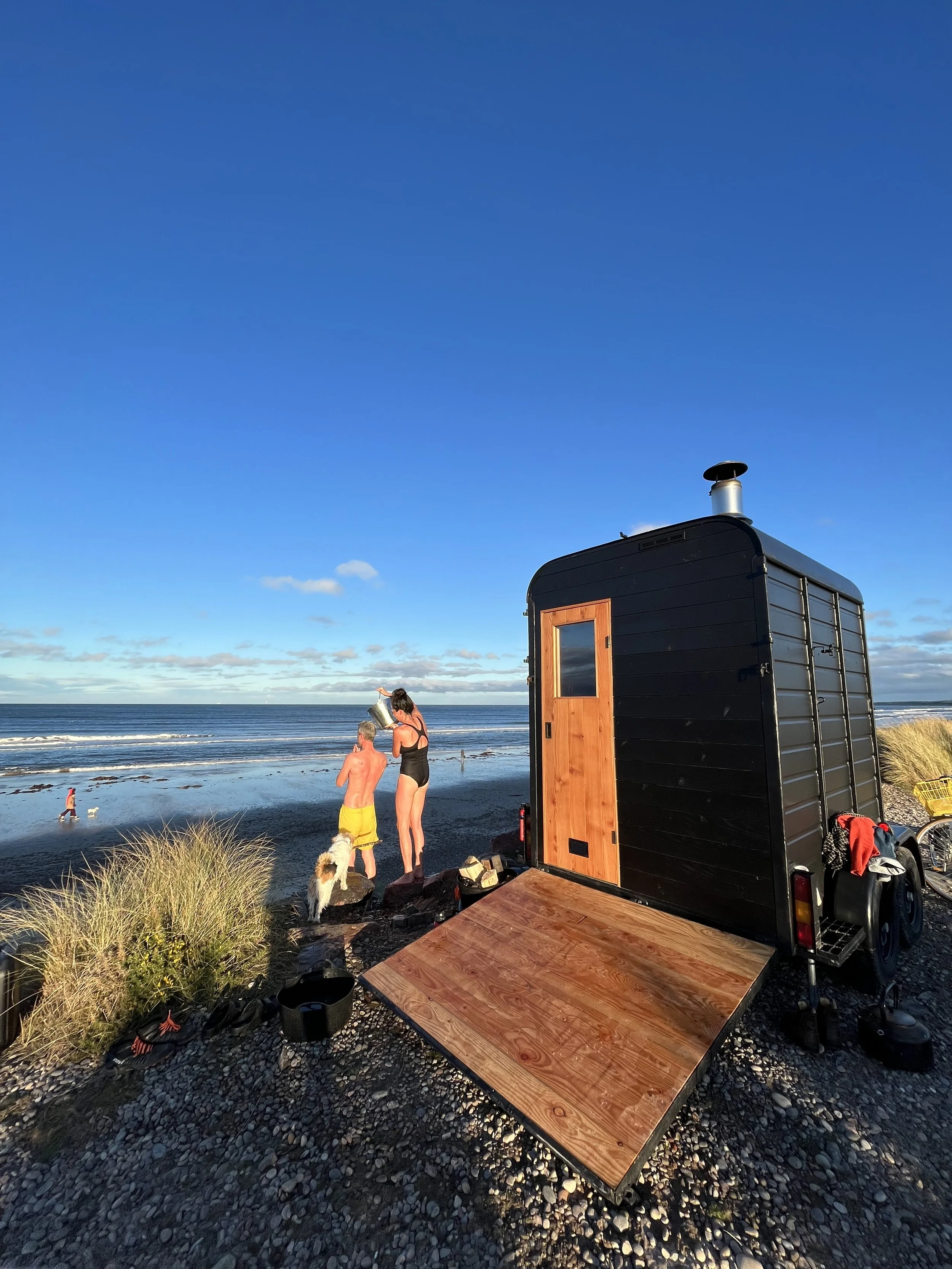
If you’re at a lifeguarded beach, always swim between the red and yellow flags. Familiarise yourself with local currents and ask the sauna owner about any hazards, including rip currents. If you get caught, float on your back, raise a hand, shout for help, or, if you can, wade parallel to the shore until you’re free of the rip current.
-

Stay hydrated
The combination of hot saunas and cold water dips can deplete your fluids faster than you realise. Make sure to drink enough water, pace yourself between sessions, and move gradually when transitioning between hot and cold to help prevent dizziness and keep your body steady.
-

If in doubt, stay out
If in doubt, stay out. Your body usually knows what’s safe, even if your mind is pushing you to prove something. Safer alternatives like a cold shower, a bathtub plunge, or simply cooling down in the air can give you the benefits without the risks.
Cold water safety insights
Robin, RNLI volunteer and founder of Sea Scrub Sauna, shares his practical insights on approaching cold water and sauna use with care. His experience brings real-world perspective to staying safe while enjoying heat and cold together.
For those who would like to go deeper, the RNLI and Professor Mike Tipton (University of Portsmouth) have created Coastal and Waterside Saunas and How to Minimise the Risk, which explores the physiological effects of combining sauna use with cold water immersion.
Professor Tipton has also recently published new research, The Physiology of Survival: Breath-hold Shallow-water Diving, which looks at how the body responds under stress in water environments. While focused on breath-hold diving, the findings offer valuable insight into how breathing, physiology, and decision making can be affected in cold water.
Share with your community
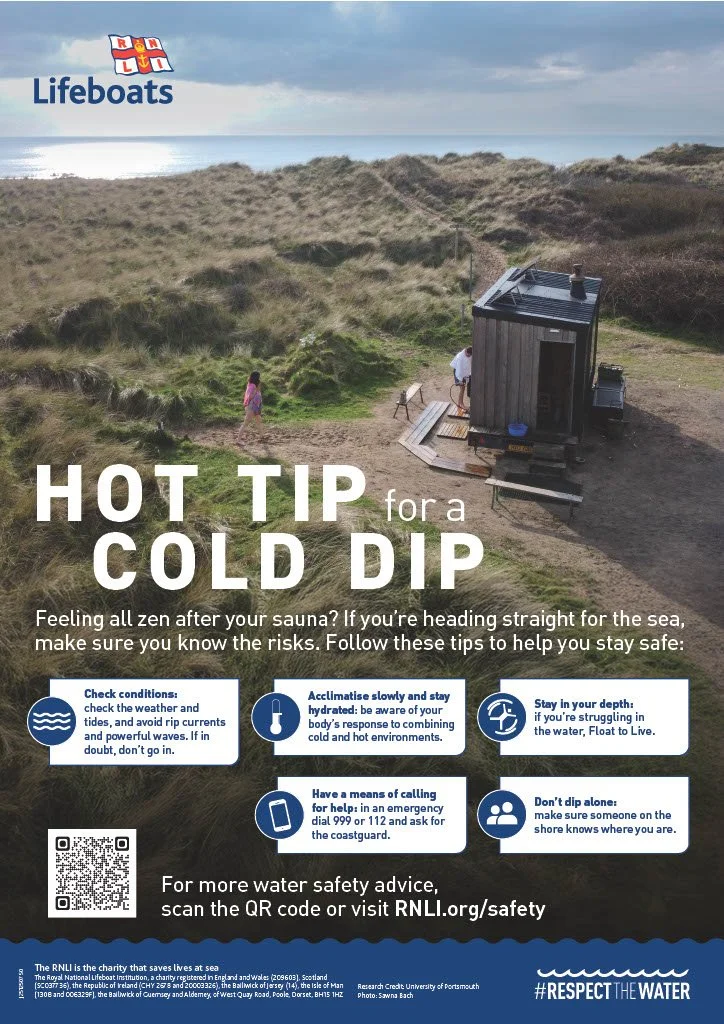
Cold water experiences are safer when everyone has the same clear information. These RNLI posters are designed to be shared in sauna spaces, sauna communities, and waterside locations, helping people make informed choices before entering the water.
Download them, display them, and pass them on to your sauna community, friends, or family. Small, visible reminders can make a real difference.
Together, we help keep every dip and every sauna session safe, considered, and enjoyable.