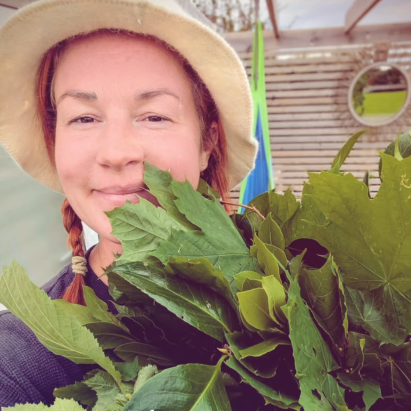
Sauna accessibility and pricing culture in the UK
“What’s the right price for a communal sauna?”
A few weeks ago, I asked this question on Instagram. I didn’t anticipate the flood of thoughtful, passionate responses, from sauna owners, practitioners and bathers all over the country. It quickly became clear that this question touches something deeper than money.
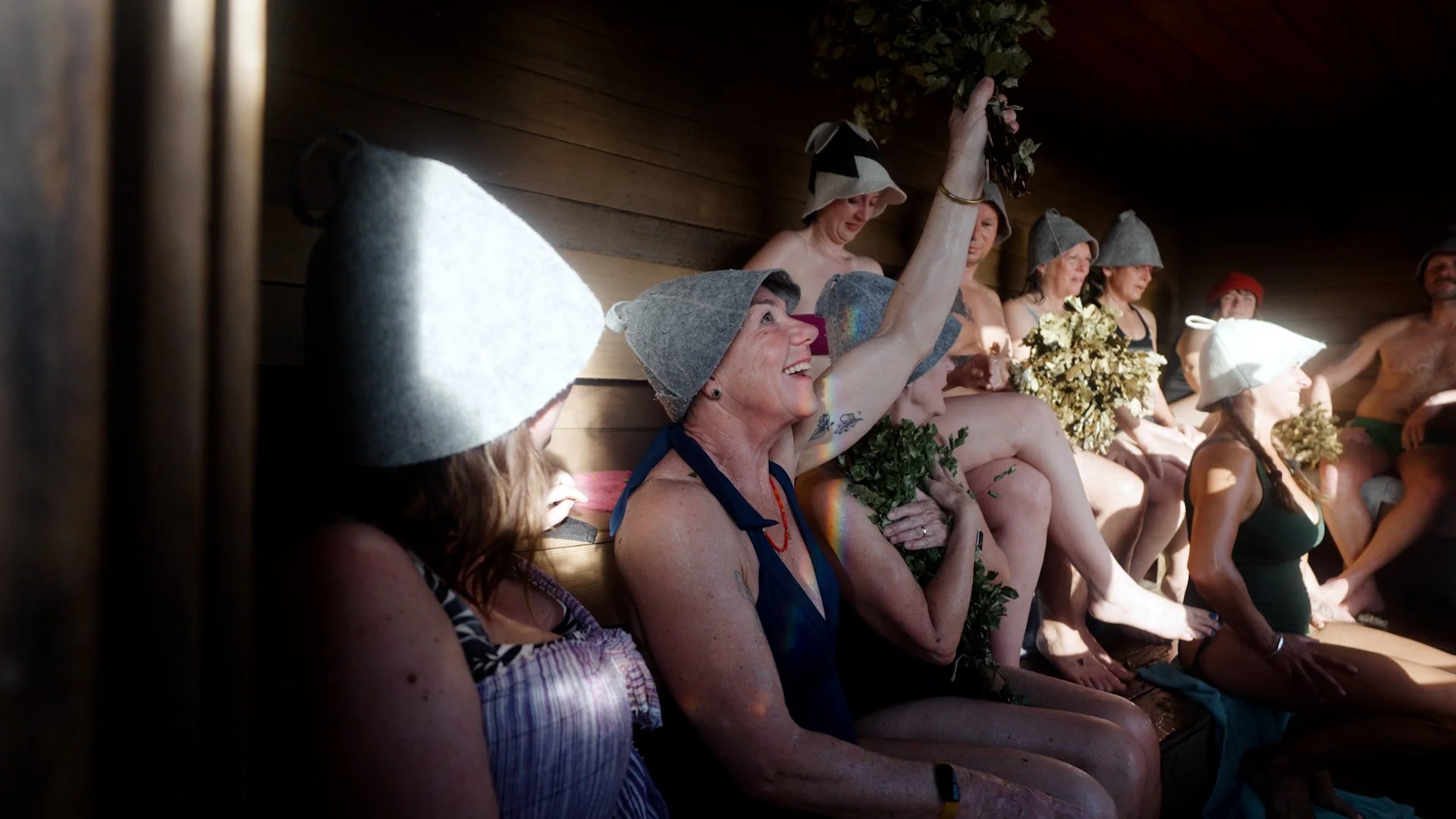
Photo: Communal session at Beach Box sauna in Brighton taken by @LeoLucyCreative
As wellness has become an industry, sauna has been swept into a system where aspiration, branding, and aesthetics sometimes overshadow accessibility. People get left behind. One owner told me: “I find it really obscene how expensive some saunas are…and how exclusive they’ve become.” Another said: “As the culture moves in a more capitalistic direction, price and accessibility become more evident. We’re getting away from the true essence of sauna practice.”
Behind every small sauna are dedicated staff keeping the fire lit. A woodland sauna owner charging £25 per hour explains: “Most of us take out loans of around £40,000 to buy our saunas. We’d love to offer free or low-cost sessions, but we have mortgages and bills to pay.”
It’s a reality that many operators face. When the cost of creating a space for health requires heavy borrowing, the burden trickles down to the people it’s meant to serve.
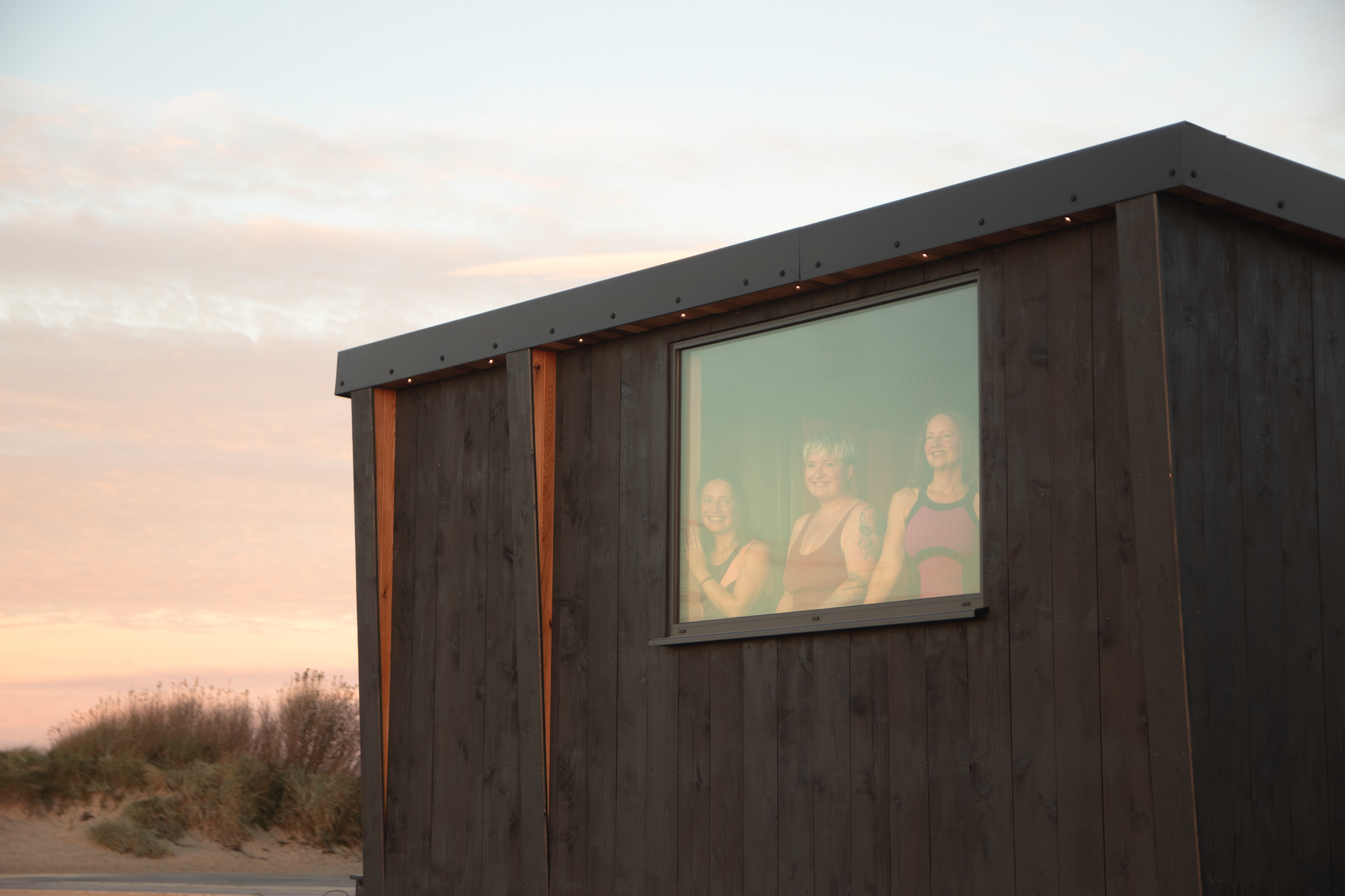
Photo: Communal session at Salt Water Sauna, Sandbanks taken by George Cory
The responses made one thing very clear: there is no single ‘right price’ because costs differ dramatically, from £5–£10 for a pay-as-you-feel session, to £25p/h for woodland sauna to £30 for 30 minutes in a central London spot. Expensive planning applications and permissions, staff wages (one owner said these were £8,000–£10,000 a month), land rent and site fees all rack up the bills. Then there’s fuel, wood, stove maintenance, insurance, seasonality and limited seating capacity to consider.
One small six-seater seat sauna owner said: “We have to be 30% full just to break even.”
Pricing isn’t simple. It’s a balancing act between sustainability and accessibility.
In an attempt to offer health and wellbeing not only to those with expendable income, a growing number of sauna keepers are experimenting with community-first approaches: Somewhere Sauna in Devon runs pay-as-you-feel social evenings (£5–£10). Heal Saunas in Suffolk offers sessions from £7.50–£10, aiming to “share the beauty with as many people as possible.
Sweat it Forward schemes allow guests to buy a session for someone who can’t afford it and most saunas offer discount days and flexible memberships to make regular use realistic. Such initiatives aim to create a new model in the profit-driven wellness world. Columb Thomson, owner of The Somewhere Sauna summed it up perfectly: “It’s really important that sauna stays accessible and doesn’t just become this bougie thing most people can’t afford.”
Persuading government to socially prescribe sauna is a hot topic. Through the British Sauna Society’s Sauna You Free initiative, founded by Jez Tozer of Steamy Wonders, NHS and social prescribing link workers can enjoy free sessions at participating saunas. Many operators are joining the growing network, helping sauna become part of preventative healthcare—and making sessions accessible to those who need them most.
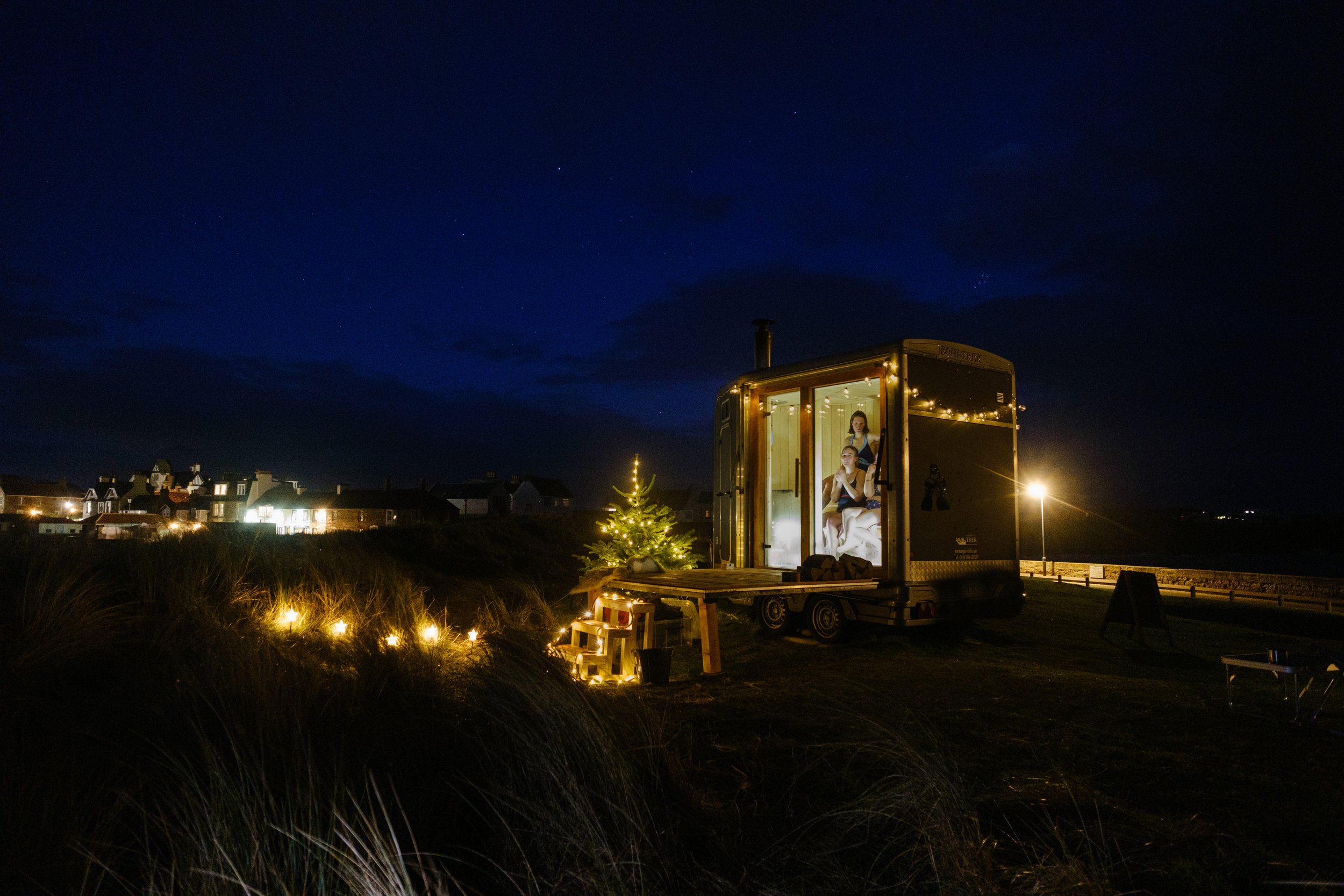
Photo: Communal session at Elie Seaside Sauna
But accessibility isn’t only about cost. One sauna owner told me: “Even the aesthetics are part of the problem. A lot of saunas look and feel elitist—designed to appeal to a lifestyle rather than invite people in.” Another said: “For people who are poor, it’s really intimidating. Disenfranchising, even.” How do we create wellbeing spaces that feel inclusive and look like places anyone could belong? The truth, expressed repeatedly in the messages I received, is this: “The people who need sauna most are often the people who can afford it the least.”
So, what is the right price for a communal sauna? There is no single answer because every sauna is different, every site has different costs and every owner faces different pressures.
But one thing came through clearly from my survey: Sauna thrives when it is accessible, welcoming and grounded in community.
If UK sauna culture can balance financial sustainability with genuine inclusivity, it has the potential to be not only a thriving industry—but a meaningful public wellbeing tool for everyone. We have a long way to go before we reach Finland’s level of openness and accessibility – but we are starting to lay foundations.