

Sauna & social prescribing.
Understanding how sauna fits within community support, health, wellbeing & clinical care.
What is social prescribing?
Social prescribing connects people to activities, groups and services in their community that support practical, social and emotional needs affecting health and wellbeing. It recognises that many factors influencing health sit outside clinical treatment alone.
The aim is to help people rebuild confidence, routine and connection alongside medical care.
Sauna, where appropriate, may sit alongside other community options. It does not replace clinical treatment, but can form part of a broader support landscape.
Across the UK, sauna is already appearing within community wellbeing initiatives, often through the work of local champions and community groups.
What exists today is varied and locally driven. Access depends on geography, awareness and capacity. The opportunity now is to understand what is working, share learnings and consider how it might be developed responsibly over time.

Who does social prescribing commonly support?
Social prescribing commonly supports people who:
-
Often includes ongoing conditions such as diabetes, cardiovascular conditions, COPD/asthma, cancer support, dementia, and multiple long-term conditions. Social prescribing can support routines, confidence, and connection alongside clinical management.
-
Often includes stress, low mood, mild to moderate anxiety, and people who benefit from structured, non-clinical community support alongside, or while waiting for, other services.
-
Includes people who lack social contact or community ties, including after bereavement, retirement, relocation, or life transitions. Social prescribing aims to increase connection in ways that feel manageable and relevant.
-
This includes challenges such as housing insecurity, debt, employment worries, caring responsibilities, or language barriers. These everyday pressures can shape how someone feels physically and emotionally. Social prescribing recognises that health is influenced by circumstances as much as symptoms.
Although the circumstances vary, many people supported through social prescribing share similar patterns:
disrupted routine
reduced social connection
high levels of stress
low confidence in trying something new
practical barriers to engagement
Support is often less about a single activity and more about creating environments where people feel able to return, settle, and build momentum over time.
Why do community settings matter in health?
Many concerns seen in primary care are shaped as much by environment and routine as by illness itself. Social prescribing recognises this and connects people with community spaces where they can rebuild confidence, connection and stability over time.
Not every setting works for every person. What matters is whether someone feels able to attend, settle in, and return.
In this context, the value of sauna lies less in a single health claim and more in the conditions it creates. Sauna offers a structured, shared space with a clear rhythm. People can return regularly, become familiar with the setting, and engage at their own pace.
It supports low-pressure social contact, a contained beginning and end, and a chance to pause within everyday life. For some, that combination makes it a setting that feels steady and repeatable.

What sauna can offer.
Sauna’s relevance in social prescribing lies less in a single health claim and more in the environment it creates.
-
Sessions run at predictable times, allowing people to return regularly and build familiarity. For individuals whose routines may have been disrupted through illness, stress or life changes, having a consistent place to return to can help rebuild structure over time.
-
Sauna offers social connection without pressure. Conversation is optional and silence is comfortable. This creates a low-pressure environment where people can reconnect with others at their own pace, whether through quiet presence or casual conversation.
This allows people to participate socially without needing to perform, explain themselves or keep up with an activity.
-
Sauna requires no prior skill, equipment or experience. People can take part at their own pace and in their own way. This simplicity can make it easier for individuals who feel unsure about trying new activities to attend and, importantly, to return.
-
The warmth, quiet and rhythm of sauna create a pause from the pace of daily life. The sensory environment of heat, stillness and reduced external stimulus can help some people settle their attention and reconnect with their bodies. For individuals experiencing stress or anxiety, this can support a sense of calm.
-
Research suggests that regular sauna use may support cardiovascular health, relaxation and mood. In social prescribing settings, these potential benefits sit alongside the social and environmental aspects of the experience.
-
Sauna sessions have a clear beginning and end. This structure can help create a sense of safety and predictability, which can be particularly valuable for people rebuilding confidence in social or community settings.
Health & wellbeing:
the research.
Alongside the social and environmental benefits, scientific research has measured physical and mental health improvements associated with regular sauna use.
Ritual, social connection and wellbeing.
Recent UK research involving 1,907 sauna users found that sauna participation was associated with improvements in both physical and emotional wellbeing. The study suggests these benefits arise not only from heat exposure but from the social and ritual aspects of sauna, which strengthen feelings of belonging and connection within communities (Newson et al. 2026).
Cardiovascular health.
Regular sauna bathing produces the same cardiovascular benefits as medium-intensity exercise (Ketelhut & Ketulhut, 2019) anshas been linked with lower risk of fatal cardiovascular disease. People who used the sauna more frequently had increasingly lower risk of fatal heart events, independent of other risk factors (Laukkanen et al. 2015)(Laukkanen et al. 2018).
Cognitive aging.
A long-term Finnish study found that men who used the sauna
4–7 times per week had a 65% lower risk of developing Alzheimer’s disease compared with those who went once a week, independent of other risk factors. (Laukkanen et al., 2017).
Depression, anxiety, and mental wellbeing.
Large multinational survey research found that sauna bathing was commonly associated with stress reduction, improved sleep, and higher self‑reported mental wellbeing, reduced risk of psychotic disorders and improved appetite. Regular sauna users also reported reduced symptoms of depression and anxiety compared with less frequent users (Hussain, 2019), (Laukkanen, 2018), (Masuda, 2005)
Protects against the negative outcomes of poverty.
In reviews of longitudinal data, Kunutsor & Laukkanen (2023) found that sauna bathing was protective against the negative outcomes of low socioeconomic status.
Research from Newson et al. (2026) found that those from ethnic or disabled minorities particularly benefitted from wellbeing improvements from regular sauna use.
Blood pressure and vascular function.
Several studies have explored sauna use and blood pressure. Research suggests that regular sauna bathing may be associated with lower risk of developing hypertension and improved vascular function (Laukkanen et al. 2018).
Lived Experiences
Lived experience plays an important role in understanding how sauna is being used across the UK. Personal accounts help build a fuller picture of the social, emotional and community uses of sauna. If you would like to share a lived experience, or one from your own community, we welcome contributions.

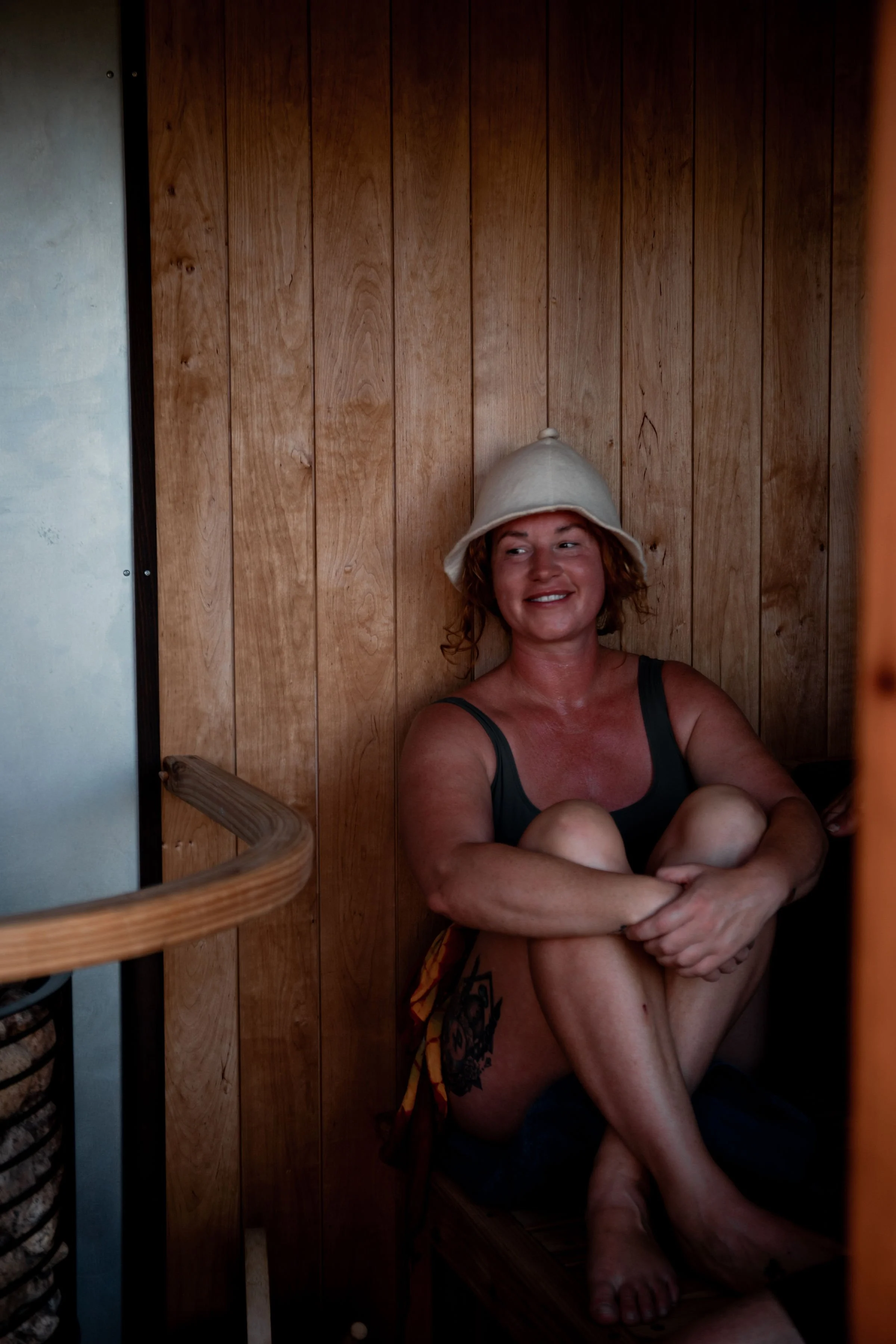
Harry Beardsley, Addiction
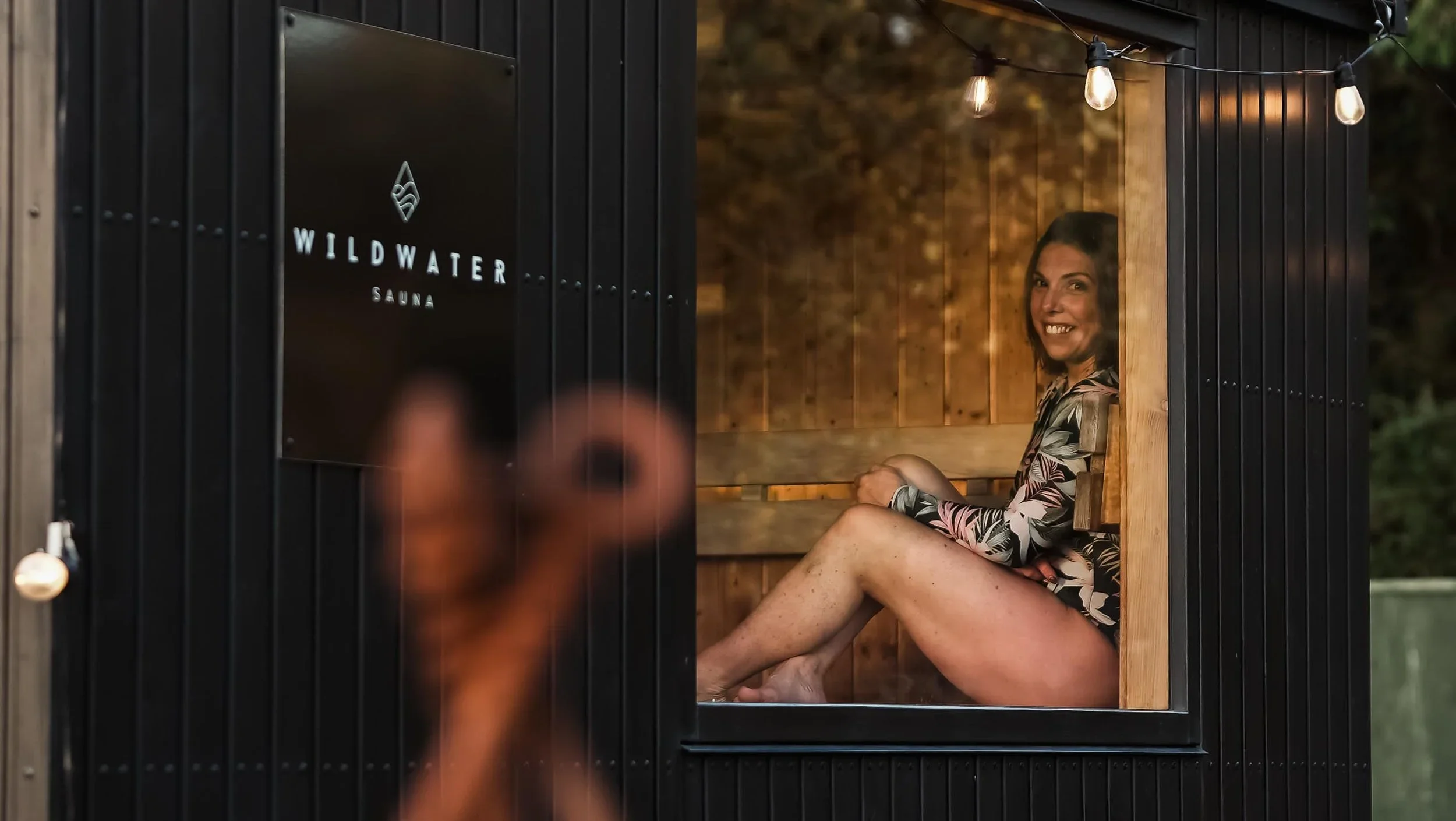
Sian Hurrell, Post Natal Depression
Jules King, Parkinson’s

Stephanie Poyntz, Post Natal Metal Illness

Kate Rawson, Menopause

Jesse Devlin, Community
Are you a sauna operator? List your sauna on Joy.
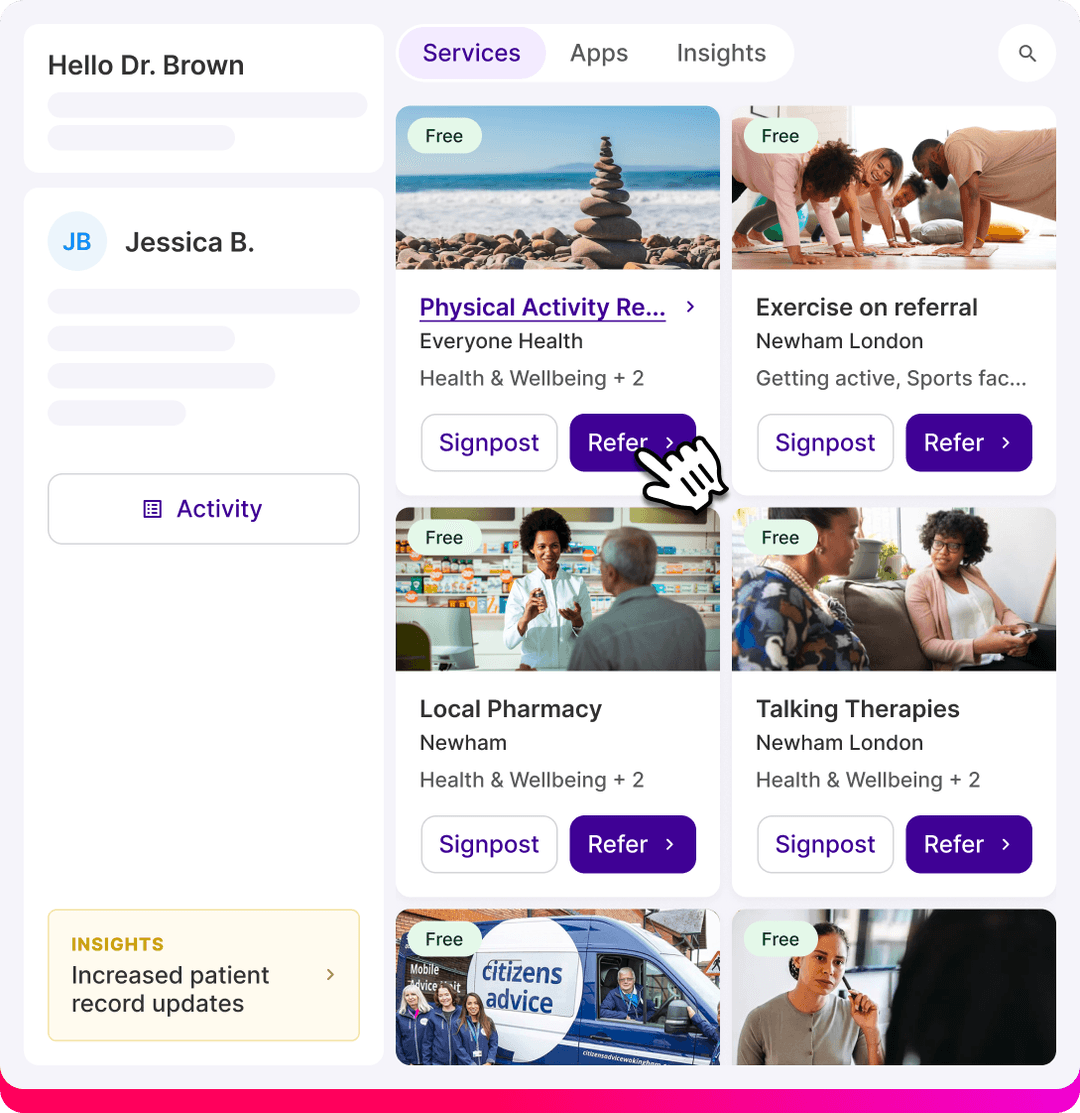
Joy is the digital social prescribing platform used by GP surgeries, primary care networks and local authorities across the UK to connect patients with local activities that support their health and wellbeing. It currently reaches over 18 million patients and residents.
Getting your sauna listed on Joy means link workers and social prescribers can refer people your way — people who might benefit most from the warmth, community and ritual that sauna offers.
We've put together a step-by-step guide to getting listed, what to consider before you do, and how to make your listing as strong as possible.

Strengthening practice locally.
This work develops through local relationships, observation and shared learning. Progress does not require large programmes. It begins with proportionate, practical steps.
-
If you feel called to support this work through your sauna, here are some starting points.
Gather lived experience stories.
Invite participants to share their experiences in a consistent format:Before sauna
What shifted
What continues now
These stories form compelling qualitative evidence.
Consider what you and your business can reasonably offer
Social prescribing activities, including sauna sessions, are not automatically funded by the NHS. They are often self-funded, run on pay-it-forward or community-supported models, or supported through grants and charitable funding.
Invite local health professionals to observe.
Offer non-clinical observation visits for GPs, link workers, community health teams and commissioners.
Share your lived experience stories with them and this page.
Encourage open conversation and small-scale trials.
Following observation, conversations may lead to:
informal signposting to suitable individuals
inclusion in local community directories
discussion of a small, time-limited pilot
Keep it proportionate. Start small. Reflect together.
We want to continually update and improve this page. If you run community sauna sessions and have more to say, we’d love to hear from you. Please get in touch at newsletter@britishsaunasociety.org.uk
-
Explore your local sauna options.
See what saunas already exist in your area, what they offer and get in touch with them.Visit or observe a session.
Attend a session to experience it for yourself. Many saunas offer free sessions for NHS workers - email their contact to ask.Talk about supportive settings with patients.
If appropriate, signpost or suggest community resources including local saunas alongside other activities.Share feedback with operators.
Reflecting on what you see, what feels safe, and what could help operators tailor their spaces. -
Share lived experiences.
Encourage peers to share experiences.Advocate locally.
Talk to community networks (youth groups, carers groups, neighbourhood forums) about sauna as one of many supportive spaces.Facilitate introductions.
Help connect sauna hosts with health professionals or social prescribing teams. -
Support local pilots
Fund and enable small-scale projects that explore how community sauna settings function in practice across different areas.Recognise supportive environments as part of wellbeing infrastructure
Invest in models that link community spaces with personalised care, helping to strengthen local health and social support networks.Support research and evaluation
Provide funding and encouragement for collaborations between sauna operators, universities, NHS bodies, and community organisations to evaluate outcomes and gather evidence.
Helpful resources.
These are practical places to learn more about social prescribing, how it works in the UK, and how you might connect with it from your role.