
Finding Purpose Through Sauna After Perinatal Mental Illness
A lived experience by Stephanie Poyntz
Content warning: This article includes discussion of postnatal mental health challenges, emotional distress, and grief. It may be sensitive for some readers.
In this lived experience, Stephanie shares her journey through postnatal depression and the role sauna has played in her recovery.
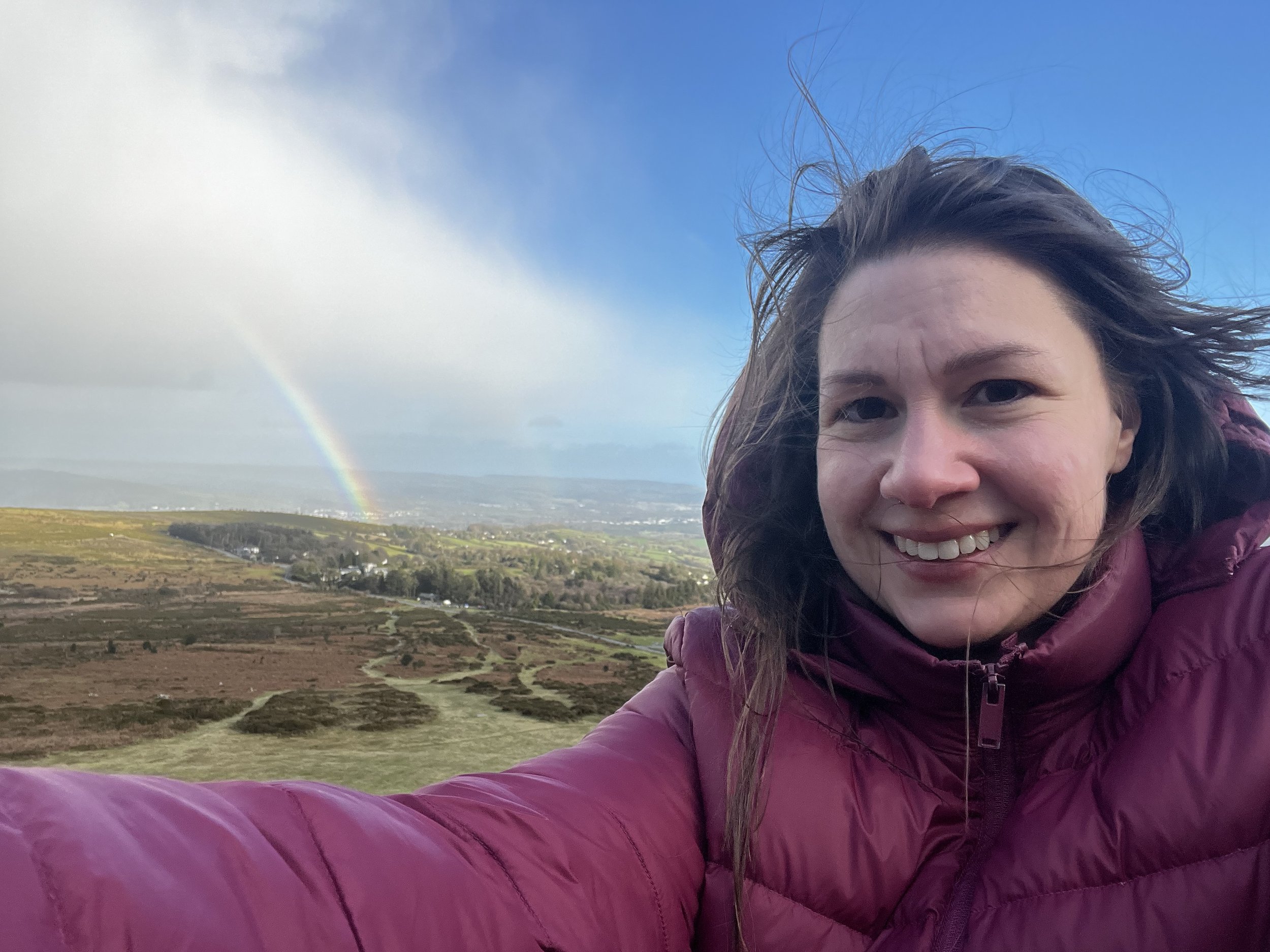
A photo of Stephanie Poyntz out on a walk.
What was life like for you during that period?
It was January 2024. I was nearing the end of maternity leave with my second baby and once again struggling with postnatal mental illness. After my first child, I had experienced postnatal psychosis followed by severe depression. This time, things were different but equally painful.
My breastfeeding journey ended before I was ready. I was devastated. I’ve since learned there’s a name for what I was experiencing - breastfeeding trauma and grief.
I wasn’t depressed in the same way as before. I was manic, irritable and filled with self-loathing. I was under the care of the perinatal psychiatry team and taking multiple medications, yet despite therapy and support, nothing seemed to help. I felt utterly broken: emotionally, spiritually and physically. I began to believe I was unfixable.
The side effects of medication were difficult. I had gained weight from antipsychotics, developed a face-picking disorder and struggled to cope with the demands of caring for my two young boys. I felt like a complete failure as a mum and a wife.
In the midst of my grief, I became fixated on helping other women succeed where I felt I had failed. I decided to retrain as a lactation consultant. It gave me a sense of purpose, something to cling to while I tried to rebuild myself.
How did sauna first enter your life?
Out of nowhere came an unexpected lifeline. My sister, a year-round sea swimmer, invited me to join her at a sauna and cold plunge in King’s Cross.
It felt surreal - stripping off in the middle of the city, sitting in a steaming sauna with strangers and plunging into ice water while commuters walked past on a cold January morning. But it was also invigorating and inspiring. I met interesting people and felt genuinely proud of myself for fully submerging in the freezing water.
The cycle of heat and cold worked wonders for my mood and body. I felt alive again.
On the train home to Wakefield, I texted my sister:
“Loved yesterday. I’m now searching for my nearest sauna. Not many around! New business?!?”
That was when the seed was planted.
How did it feel in your body and mind?
I felt cleansed. My mind felt clear. It was as if a weight had lifted from my shoulders.
I left feeling energised in a way I hadn’t experienced for a long time. There was a lightness and clarity that stayed with me long after the session ended.
What shifted once sauna became part of your life?
I became deeply curious. I started reading about thermotherapy and contrast therapy and the research around both physical and mental health benefits.
The biggest shift was momentum. I felt compelled to bring a sauna to my own community and began exploring the idea of setting up a social enterprise.
At the same time, my lactation consultant pathway began to feel too close to home. I was still grieving my own experience. The sauna idea felt like a way to continue helping women, particularly those struggling with perinatal mental health, but from a different angle.
How did sauna sit alongside the other support you were receiving?
I was under psychiatric care and taking significant medication at the time. Medication was important for me, and I still take it today, though at much lower doses.
Time has also been a healer.
For me, sauna sits alongside medical treatment rather than replacing it. I see it as complementary. The social side - meeting people, listening to others, sharing space - has been just as important as the physical experience of heat and cold.
What role does sauna play in your life now?
Sauna plays both a personal and professional role.
With two young boys and a job, I don’t always manage regular exercise. A sauna session leaves me with similar feelings to finishing a game of tennis or a run, uplifted and steady.
I’m inspired by Scandinavian sauna culture, where regular attendance is woven into community life. I would love to see the UK move more in that direction with gatherings, connection and even sauna suppers after sessions.
More broadly, I want to help build a model that supports women’s mental health through contrast therapy in a structured and accessible way.
What would you want those in health and social care to understand about sauna?
I’m a hospital doctor working in a surgical specialty. Although surgery isn’t always associated with holistic thinking, I’ve long been interested in complementary approaches.
I believe sauna has potential to support a wide range of patients, particularly when considered alongside evidence-based medicine. There is growing research, and I would love to see further studies exploring its benefits for both mental and physical health.
There is always a balance to strike between preserving sauna as a creative, cultural practice and ensuring appropriate standards. But I think there is space for both.
Looking back, if sauna had been available earlier, how might that have shaped your journey?
It’s difficult to know whether it would have shortened my recovery time.
What I do know is that accessible sessions for new parents — such as those offering childcare or “babes in arms” options — would have made a difference to me. The idea of parents sharing childcare while participating in sauna feels powerful.
More recently, I’ve become interested in the concept of grief sauna. I’ve found myself instinctively vocalising — groaning or sighing — and can see how structured spaces for expressing grief could be deeply therapeutic, even if that feels unfamiliar in British culture.
Ultimately, I want to share my experience with others who are struggling, particularly women navigating perinatal mental health, menopause or other periods of transition.