The Rising Role of the Sauna Master
How an ancient role lives in modern Britain
As saunas step out of quiet corners, becoming vibrant spaces of ritual and connection, the role of the ‘sauna master’ is rapidly evolving. This sauna ‘guide’, or ‘host’ or ‘practitioner’ shapes the heat, creates the rhythm, blends the scent, and guides the story, taking bathers on a shared, sensory-led journey.
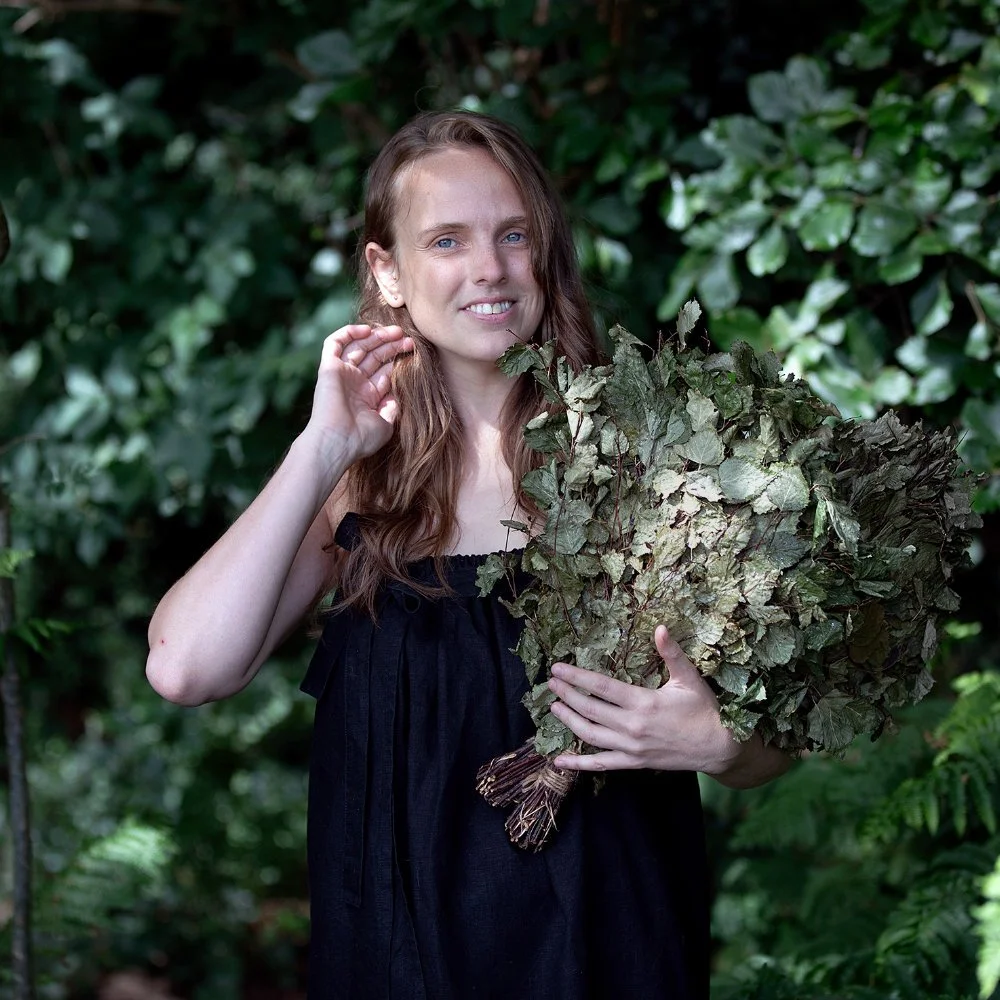
Some of these new practitioners follow the structured choreography of aufguss, using rhythmic towel work, performance skills, and layered scents. Others draw on the plant-led traditions of Pirtis, working with whisks, herbs, and centuries-old cleansing techniques. Many forge entirely new expressions rooted in story, sound and sensory experience.
“A well-held sauna ritual is far more than a sequence of movements. It is a conversation between heat, breath, scent, and the people in the room,” says Deborah Carr, Founder of Anada Spa & Aufguss UK. “When skill, safety, and artistry align, the sauna becomes a place where people feel held, transformed, and deeply connected. “
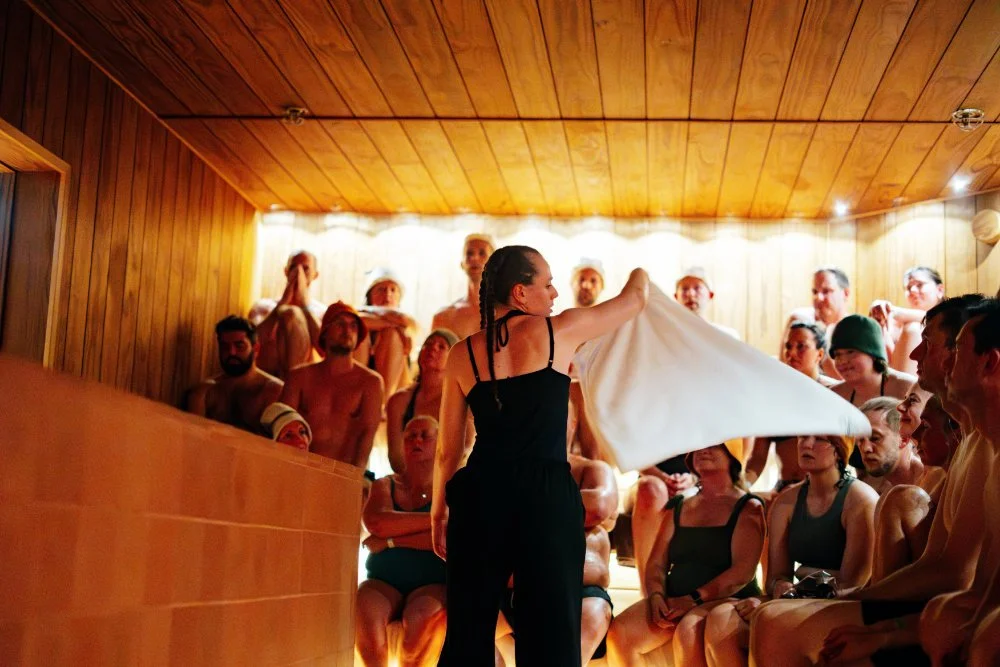
Photo: Hannah Goodyer performing Aufguss at arc sauna.
Weekend courses can teach techniques, but true sauna mastery takes years. Developing the skill to safely control heat, read the room, orchestrate sound and scent, and carry responsibility for everyone’s wellbeing demands sustained practice, focus and emotional presence. In highly developed European sauna cultures saunas schools offer training and it’s possible to earn a living as a sauna host. In the UK, a young sauna culture with much to learn, it’s a different story:
“One of the biggest challenges as a sauna master is helping people see the real value of what we do,” says Fay MacDonald, a Brighton-based sauna master. “A guided ceremony isn’t ‘just a sauna’ - it’s a carefully crafted experience, built on training, planning, intuition, and investment. But this world is still new to a lot of people, so it can be hard for them to understand why the cost is what it is, even though they’d happily pay the same for a massage or a wellness circle.”
And good saunas are the foundation of mastery. Without spacious, well-designed hot rooms and reliable stoves, quality rituals can’t happen. You can’t deliver an aufguss ritual in a barrel sauna or sauna without a stove. Foundations matter and recognised guidance would be beneficial - benches that fit the body, bench heights that suit the sauna master whisking, a stove that produces reliable steam, proper ventilation and drainage, and surfaces that are easy to clean so practitioners don’t fear leaving the room dirty.

Photo: Anna Burkitt performing a sauna ritual at Chiltern Sauna Circle.
Many venues (themselves new to the concept of sauna master) unintentionally limit good practice with poor ergonomics, safety and spatial design. As author Emma O’Kelly says: “First, we need good saunas. If we don’t get the basics right, practitioners simply can’t do their jobs. Sometimes it feels like we’re trying to run before we can walk - you can’t deliver a decent ritual in a cramped barrel sauna.”
Accessibility and scheduling are also key; practitioners need regular access to spaces that allow them to hone their craft and practice technique. Many don’t own saunas; for them, the work relies on ad-hoc hosting between venues or combining rituals with other jobs. Few venues offer consistent opportunities, making it hard to build a sustainable career. In addition, training, travel, tools and hours of practice demand investment, while long, packed schedules can push practitioners to their limits.
Completing a course is just the beginning. Ongoing practice, mentorship, and a supportive community are essential, yet guidance for the next steps is limited, and the rewards for committing to the craft often go unrecognised. Many who pay for courses and dedicate themselves are left asking: what now?
There’s currently no structured way to measure progress or differentiate beginners from those pursuing mastery. Many practitioners train in multiple traditions - aufguss, pirtis, and bespoke methods. So how should progression be defined? Could hours, mentorship, or skill assessments provide clear benchmarks to recognise commitment and development?
This lack of formal recognition makes it difficult, as a practitioner, to secure insurance, operate safely, or be seen as a credible professional. Clear role definitions and professional support are essential if sauna mastery is to grow safely and sustainably.
“Support starts with better communication, with explaining what goes into planning, preparation, and delivery,” says Fay. “Transparent pricing, whether fixed fees, percentage splits, or sliding scales, helps everyone feel it’s fair. Educating guests about the craft and intention behind a ritual helps them understand the depth and cultural roots of the experience,” she adds. “Open dialogue between owners, practitioners and guests, plus light-touch standards or codes of conduct, could all help this practice grow safely and sustainably.”
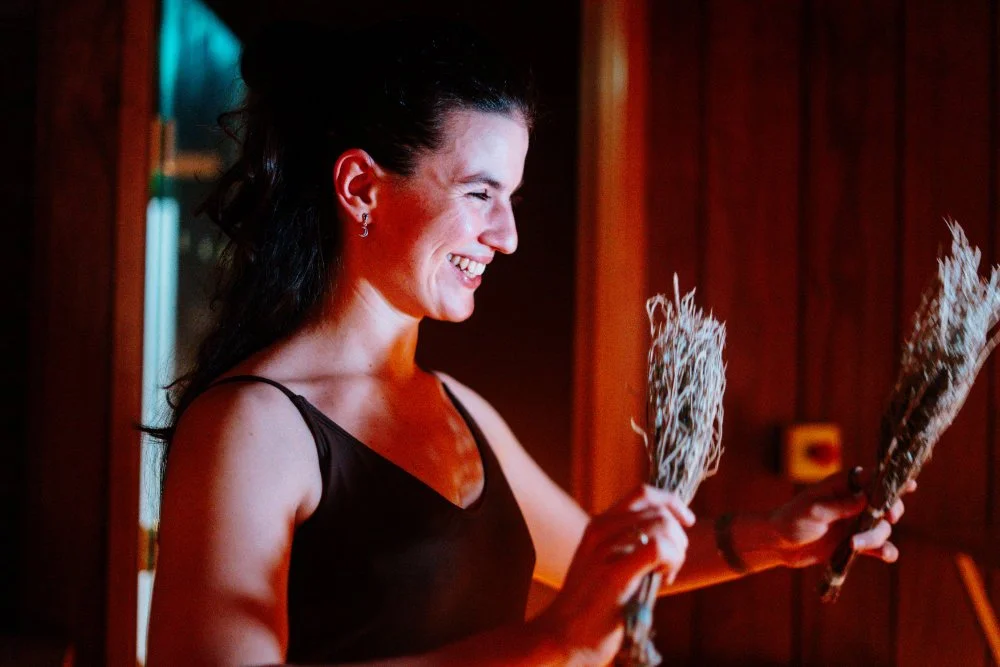
Photo: Emma Chlakova running a sauna ritual at arc sauna.
These challenges are also opportunities. Sauna owners, trainers, practitioners, and the wider community can nurture the role of sauna master by establishing clear pathways, fostering mentorship, offering practical guidance, and honouring the skill, time, and care behind each ritual.
Long before the UK joined the sauna wave, the roles we now call sauna masters existed across communities worldwide. They weren’t performers or wellness practitioners, rather quiet custodians of heat, ritual, and care who understood how fire, plants, breath, and human connection shaped wellbeing. Knowledge was passed down through families, villages, and apprenticeships. Authority came from presence, intuition, and trust, not certificates or choreography.
UK sauna masters are inspired by such ancient embodied wisdom, yet they live in the modern world. How does the role survive commercially without losing its integrity? How do we protect the wise, free spirit of the practice while balancing health and safety, career pathways, and financial sustainability? What is needed are industry-wide standards for pay, breaks, rest periods, safeguarding, and a unified network to provide peer support. Owners and venues must play a key role in supporting sauna masters, ensuring fair pay, sustainable schedules, and a culture that values their labour. When practitioners are nurtured, the craft can thrive safely, creatively, and sustainably - to the benefit of everyone. “The role of trainers and educators is to uphold standards that protect this craft while nurturing the creativity and intuition that make it alive,” says Deborah.
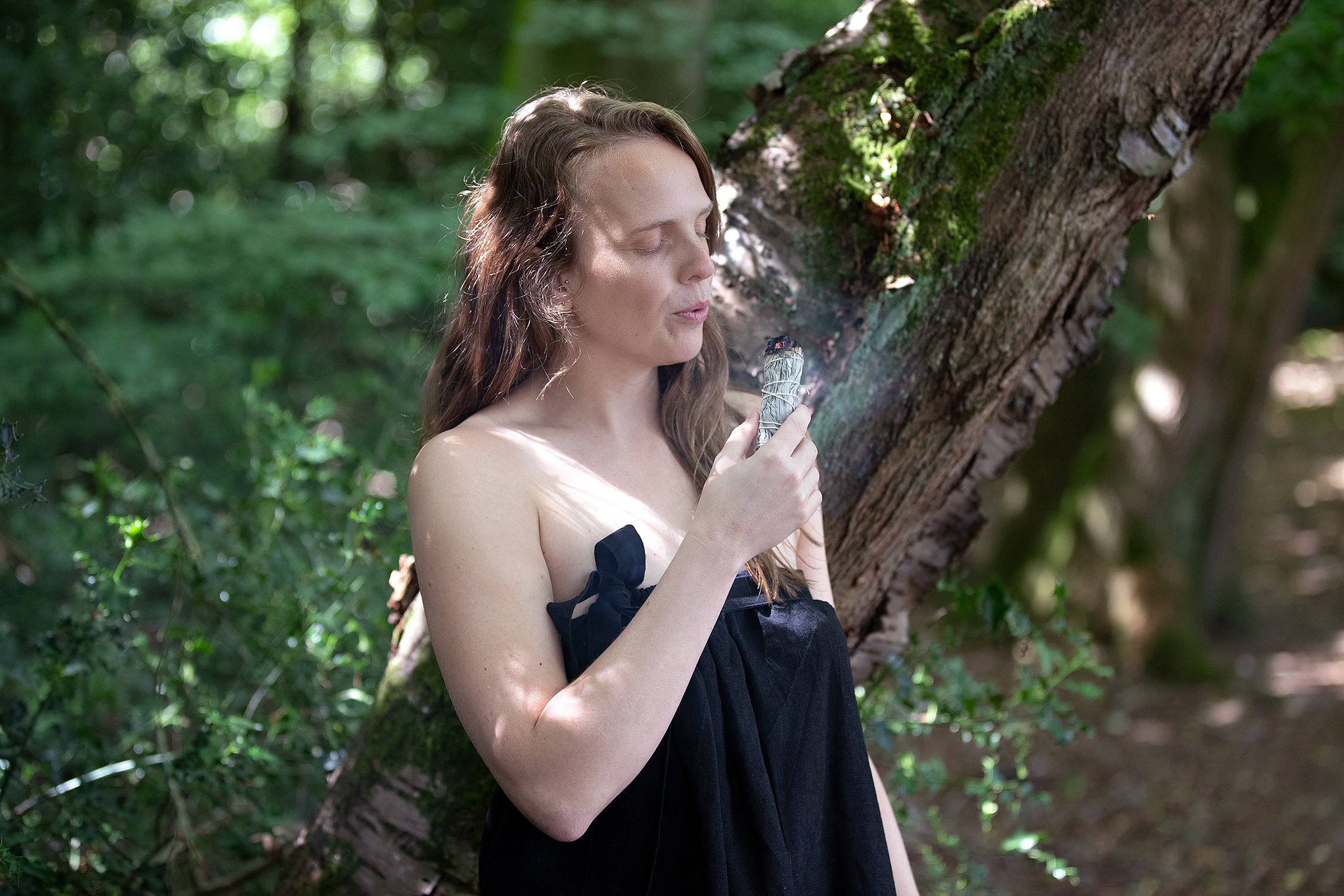
Photo: Anna Burkitt blowing on sage before performing a sauna ritual.
By learning from other wellness and creative fields - yoga, performance arts, and beyond - we can see how structured guidance, professional recognition, and supportive networks allow practitioners to grow without compromising the artistry of their craft. With deliberate investment in people, spaces, and culture, the emerging profession can become deeply respected, resilient and dynamic.
The potential is enormous. Across the UK, sauna masters are shaping a landscape alive with imagination, experimentation, and passion. By putting these ideas into words, we start the conversation - because talking about the craft, its challenges, and its possibilities is the first step in shaping it together.
The next chapter is to nurture a sauna culture that honours ritual, celebrates its practitioners, and flourishes for generations.